Hisense vs Panasonic Televisions
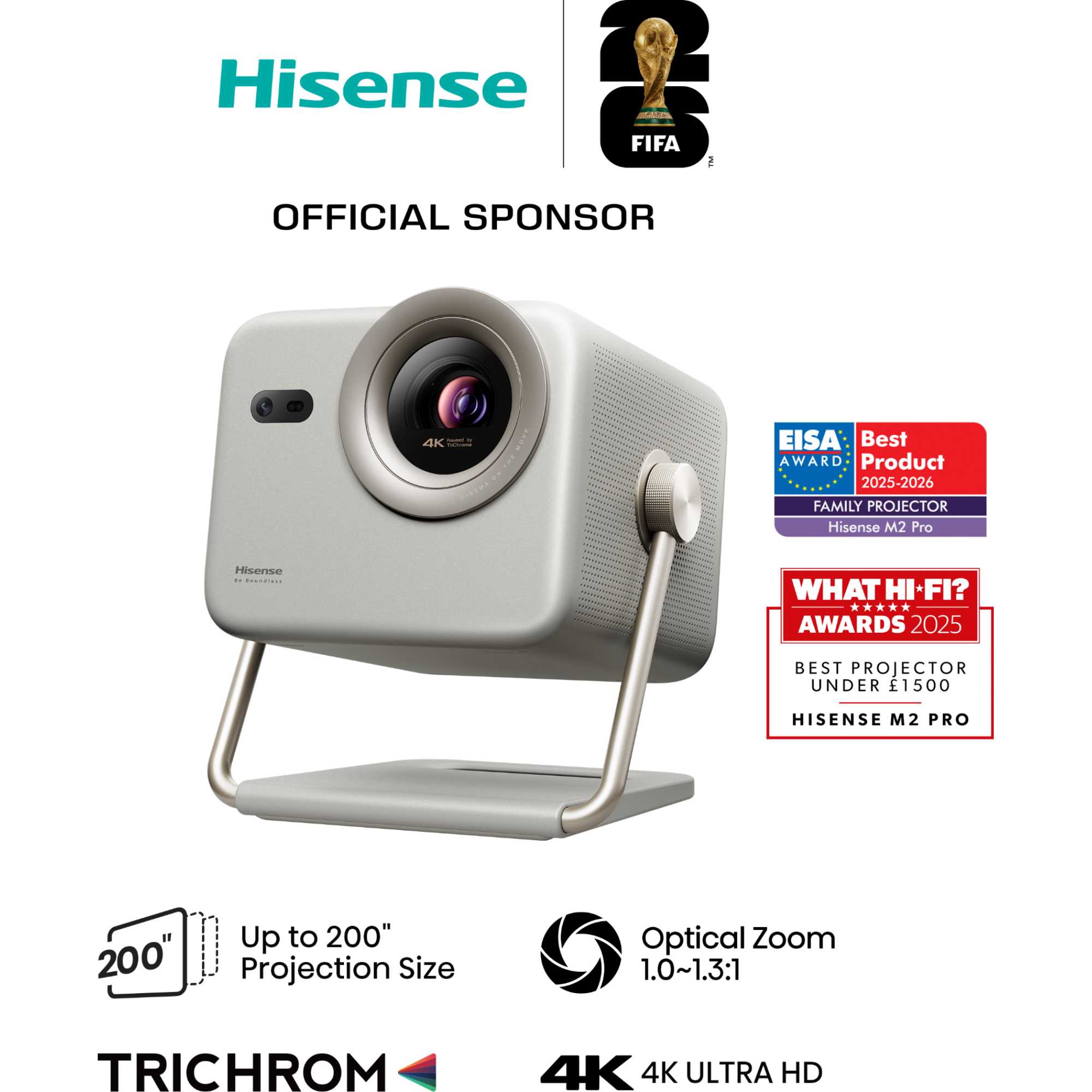
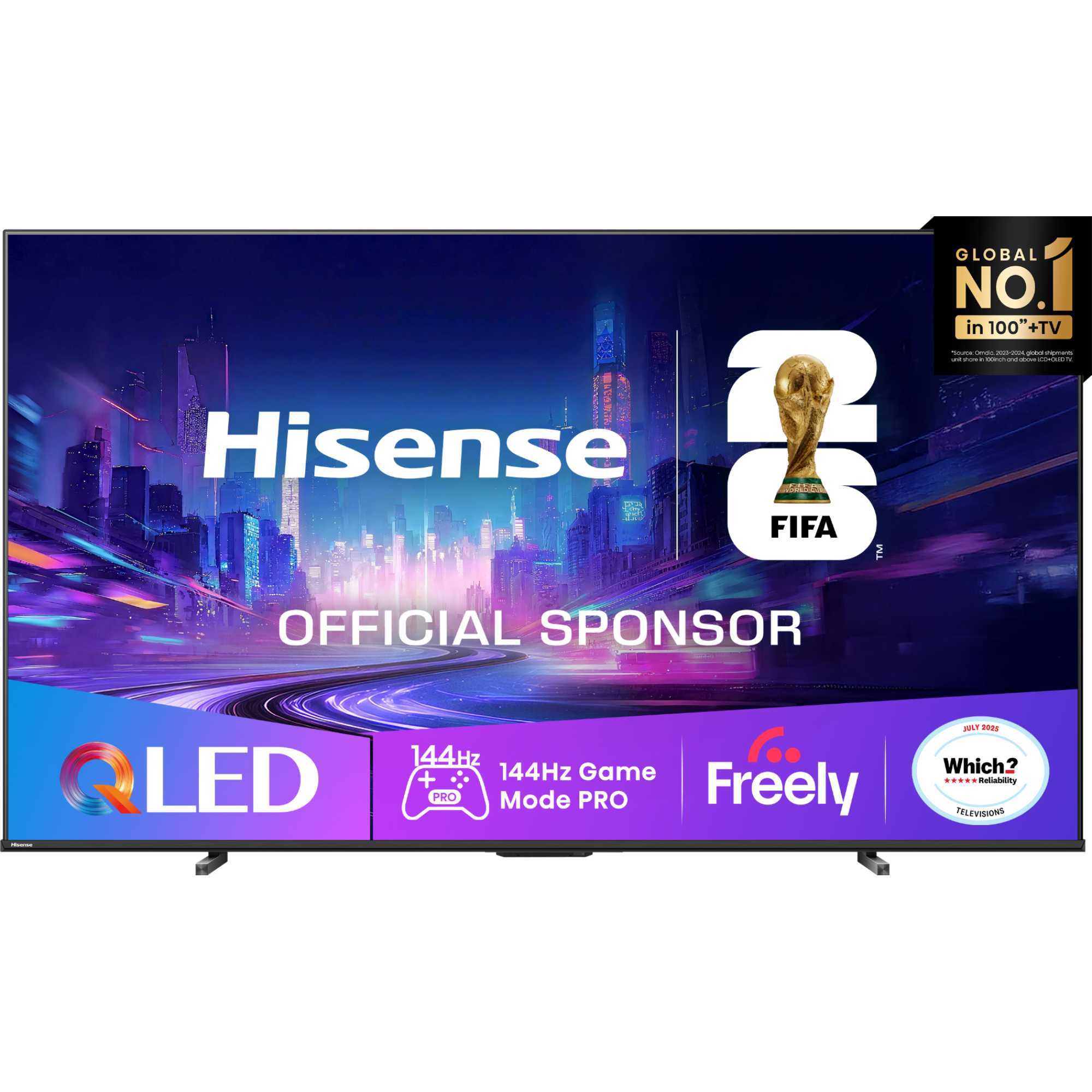
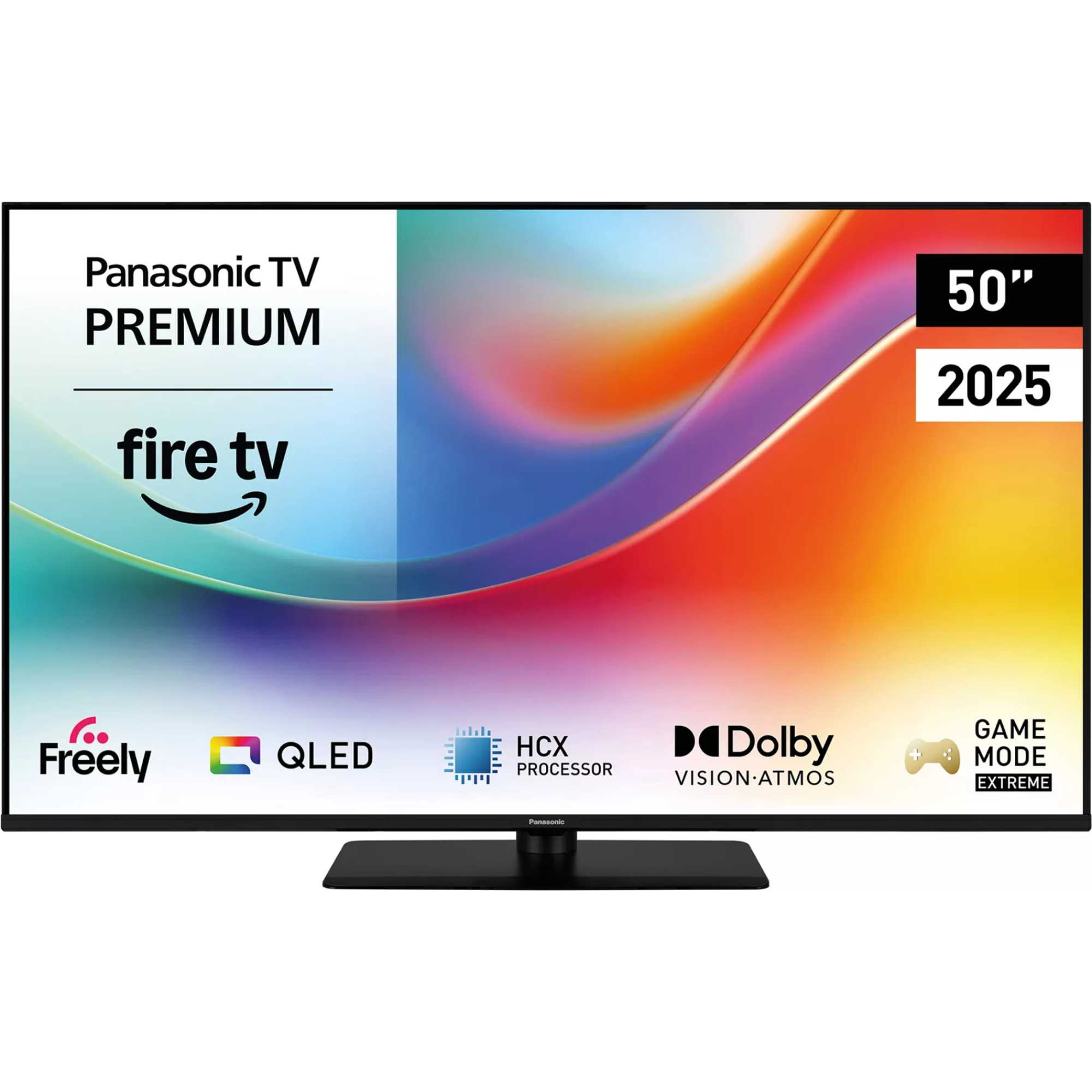
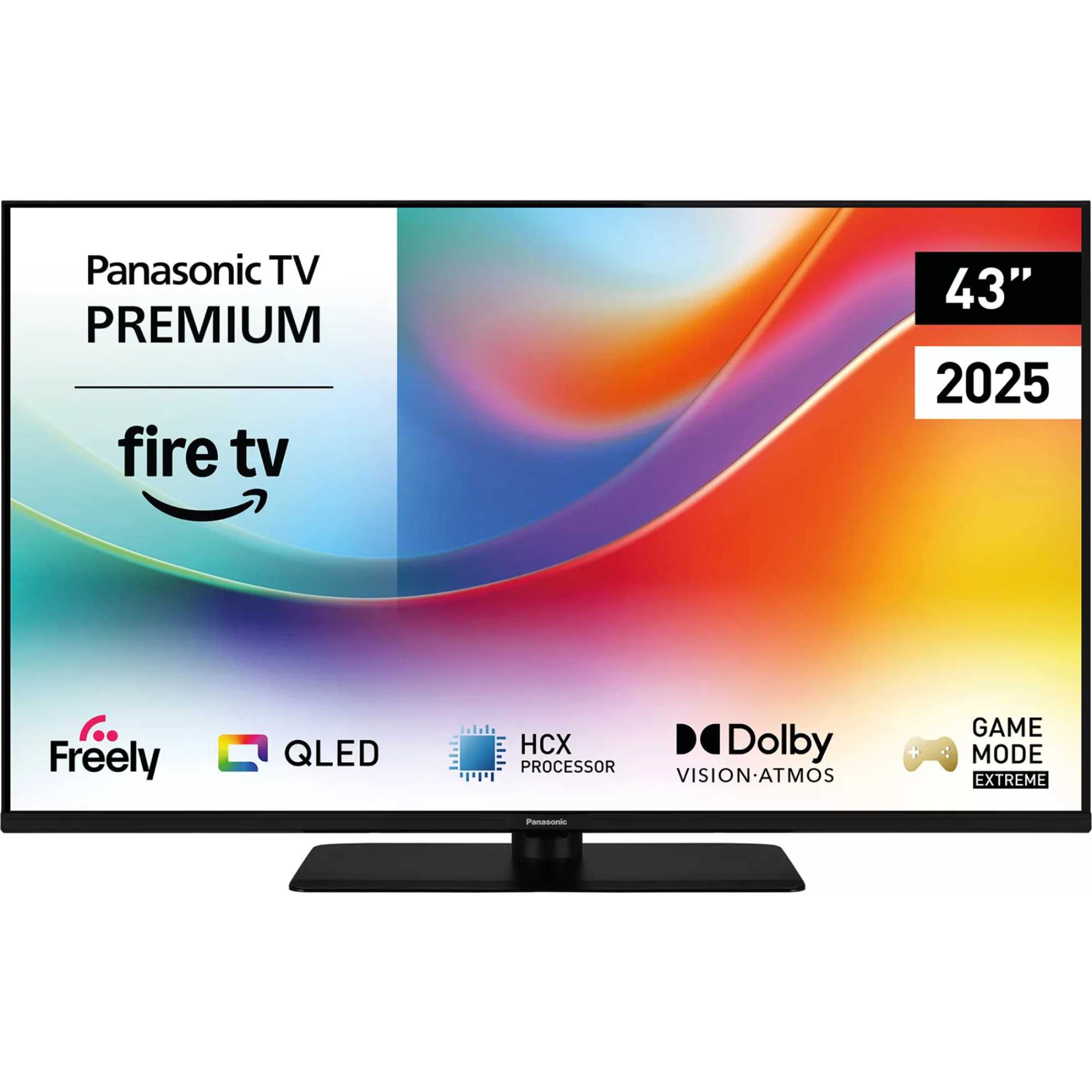
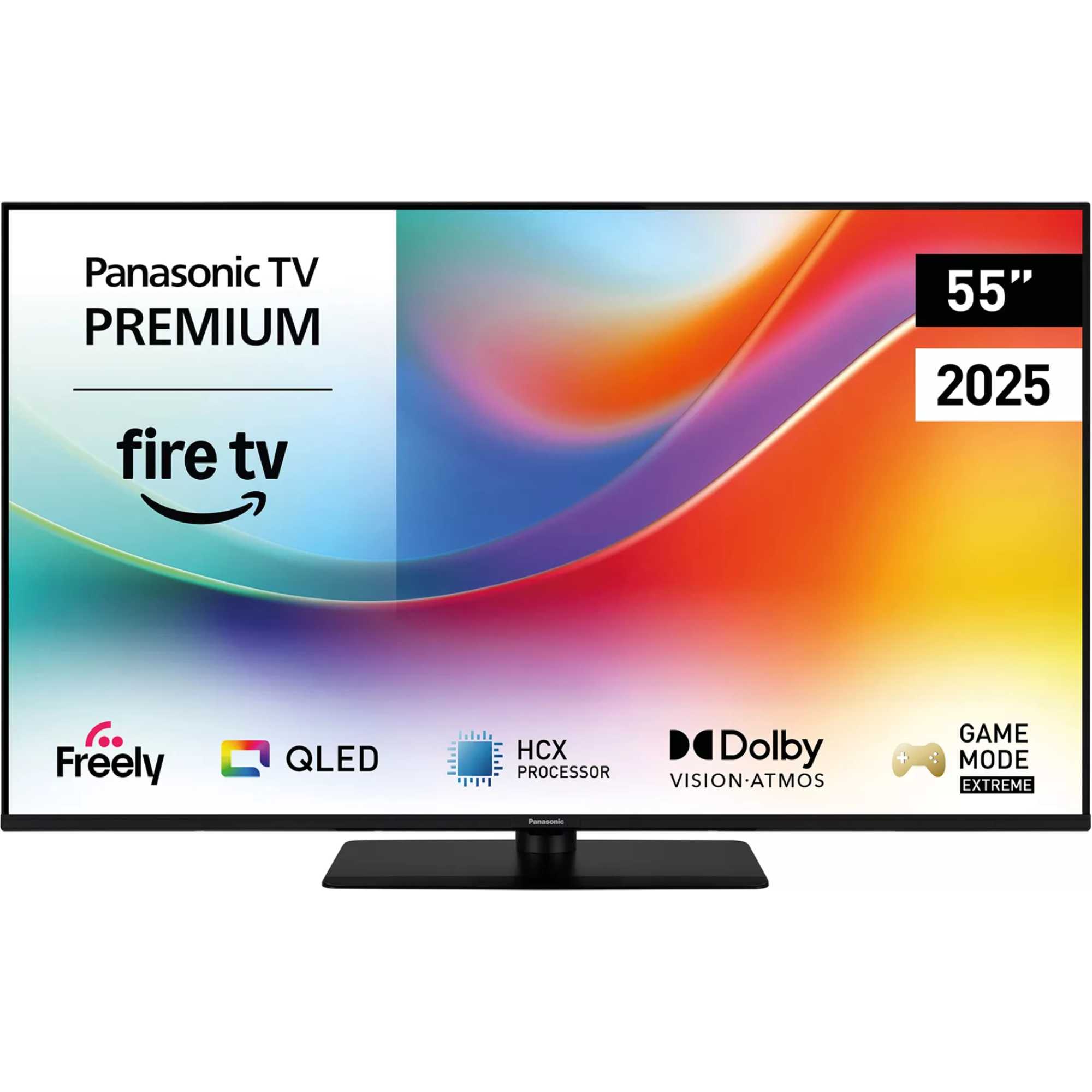
Hisense frames this comparison around the Hisense E7QTUK PRO 100" 144Hz QLED Smart AI TV with Freely - 100E7QTUK-PRO at £1, with the cheaper A6QTUK 43-inch set and M2 Pro 4K projector broadening its range. Panasonic counters with the Panasonic W85BEY 55" 4K Ultra HD QLED Fire TV - TV-55W85BEY at £799, backed by its own smaller living-room models. Both brands can cover a UK lounge, but the emphasis differs: Hisense pushes screen size and specification-per-pound, while Panasonic leans on a more defined premium picture identity.
The technology split is clearest in the panels and smart platforms. Hisense brings 144Hz QLED, Freely integration, gaming-friendly motion and the portable M2 Pro 4K projector option, so it suits buyers comparing refresh rate, big-screen sport and simple catch-up TV. Panasonic focuses on QLED Fire TV models, HDR support, simple Alexa voice control and a consistent W85BEY range from 43 to 55 inches, which should appeal if processing, HDR tone mapping and app polish matter as much as raw inches. For gaming, check HDMI 2.1 support; for broadcasts, Freely, Freeview HD, Fire TV or Google TV can be more important than panel branding.
Hisense is strongest for screen-size hunters, sport fans and buyers who want a cinema feel without paying OLED money. Panasonic is better for mainstream viewers who want familiar Amazon streaming, tidy menus and dependable colour without a huge flagship spend. On running costs, a smaller 43-55 inch model will usually cost less to power than a 98-115 inch flagship, so there is little energy payback in oversizing unless the cinema effect replaces a projector or second screen. Value depends on room size, viewing distance and whether you watch sport, films or box sets most.
Bottom line: choose Hisense if you want maximum inches, Freely convenience and gaming speed; opt for Panasonic if you prefer Fire TV simplicity, sensible QLED pricing and a conventional family-TV setup.