LG vs Panasonic Microwaves
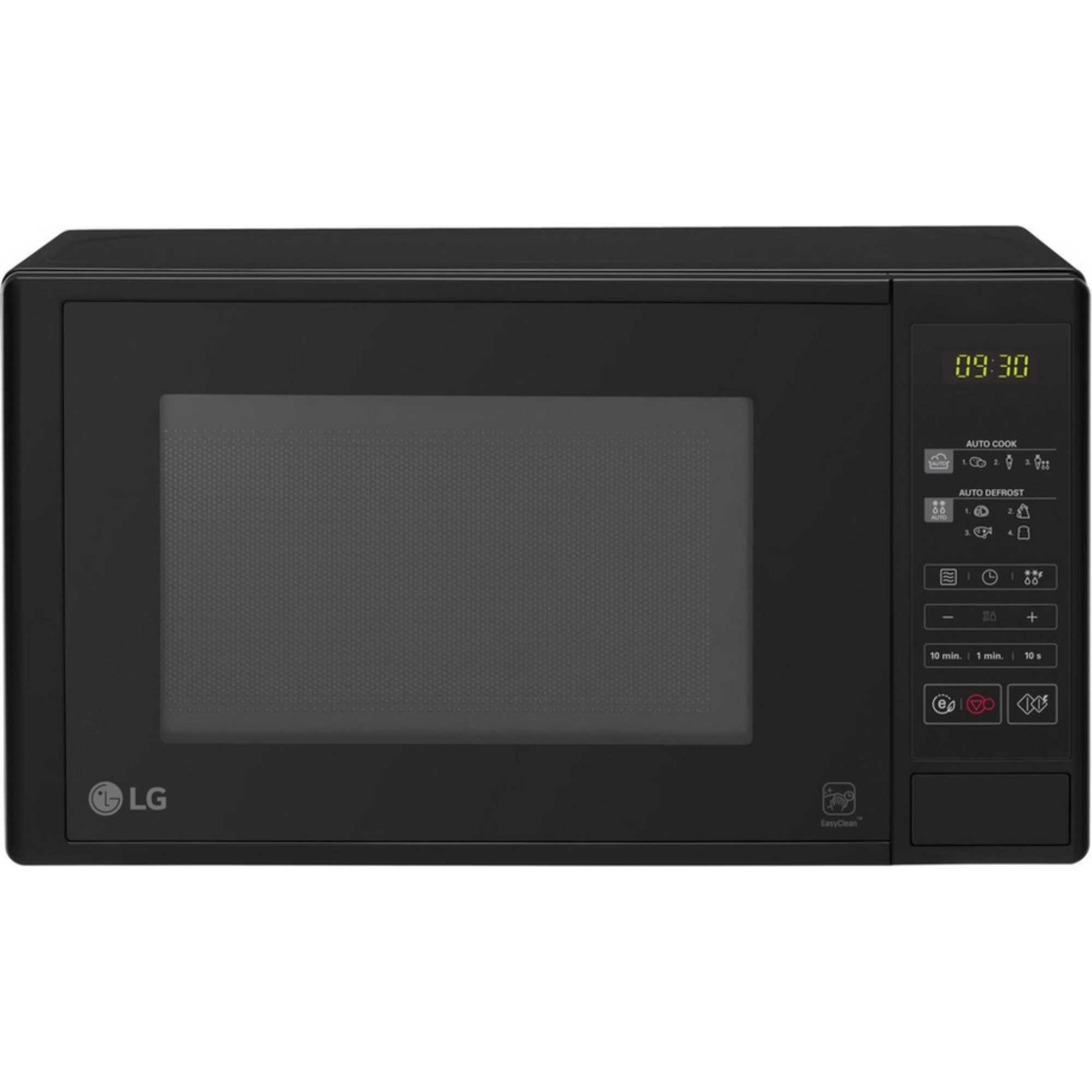
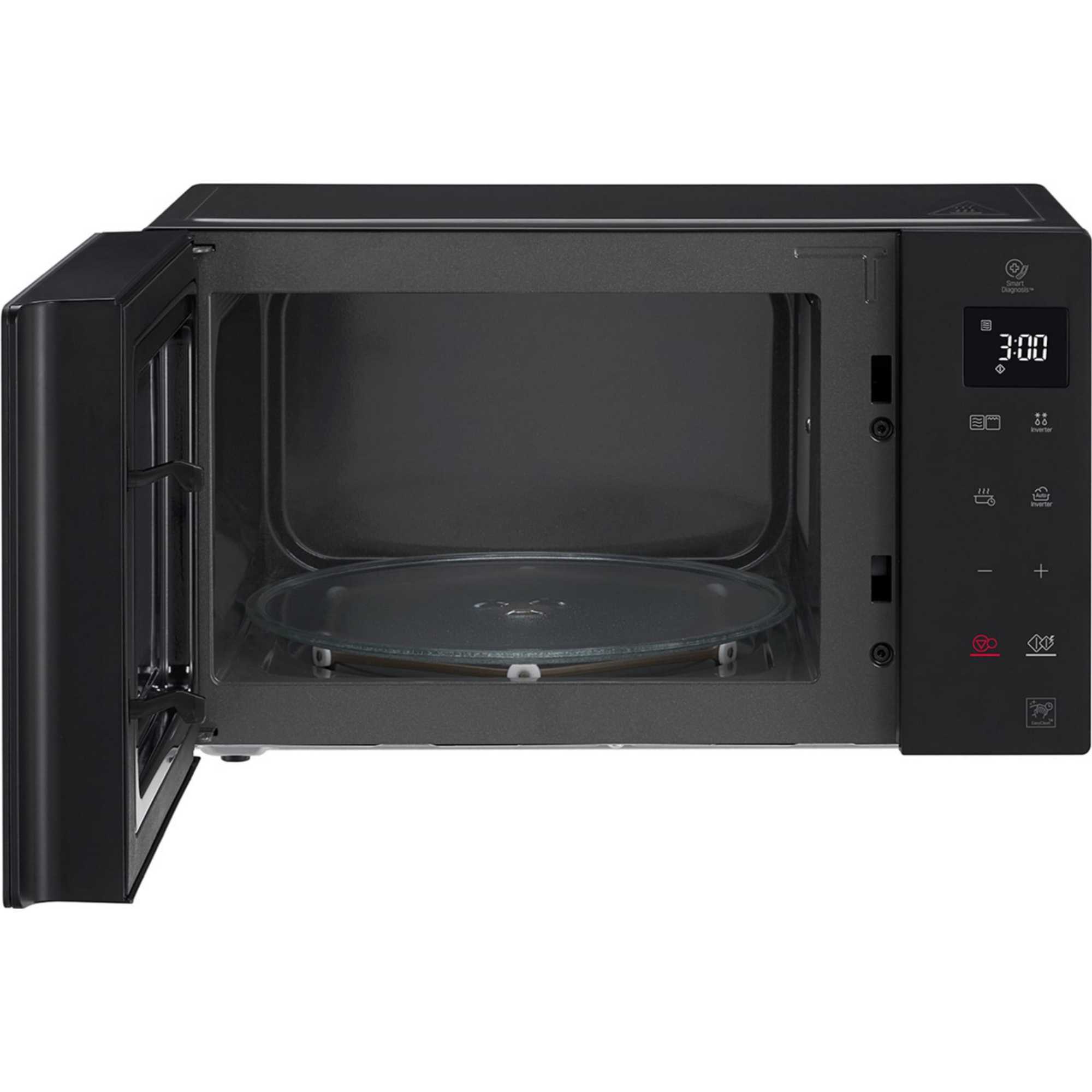
LG and Panasonic take very different approaches to the UK microwave category. LG's entry here is the MS2042D at £74 — a compact 700W 20-litre solo unit with rotary controls and no auto programmes. Panasonic spans a much wider price band: the NN-E27JWMBPQ 800W compact model at £79 competes directly at the budget end, while the NNSF464MBPQ 27-litre 1000W solo at £199 offers substantially more power and capacity, and the flagship NN-CF87LBBPQ 31-litre 3-in-1 combination microwave at £509 targets premium kitchens.
Panasonic's key advantage is Inverter microwave technology, available across its range including the budget NN-E27JWMBPQ. Inverter delivers continuous variable power rather than cycling a magnetron on and off at full wattage — the result is gentler, more even heating that prevents overcooking edges while cold centres remain. It makes a real difference on delicate defrosting, simmering, and reheating tasks. LG's MS2042D uses a conventional magnetron with fixed power switching, which is adequate for simple jobs but produces less consistent results on multi-stage cooking.
For budget-conscious buyers choosing between these two at the entry level, the prices are nearly identical: LG at £74 versus Panasonic NN-E27JWMBPQ at £79. That £5 difference buys 100W of extra power and Inverter technology, making the Panasonic the stronger pick at almost the same spend. Step up to £199 for the NNSF464MBPQ and the gap widens considerably in Panasonic's favour.
Bottom line: choose Panasonic at any price point — even at £79 the Inverter technology and 800W output meaningfully outperform the LG MS2042D; opt for LG only if the exact £74 price is the deciding constraint.