Samsung vs Sony Televisions
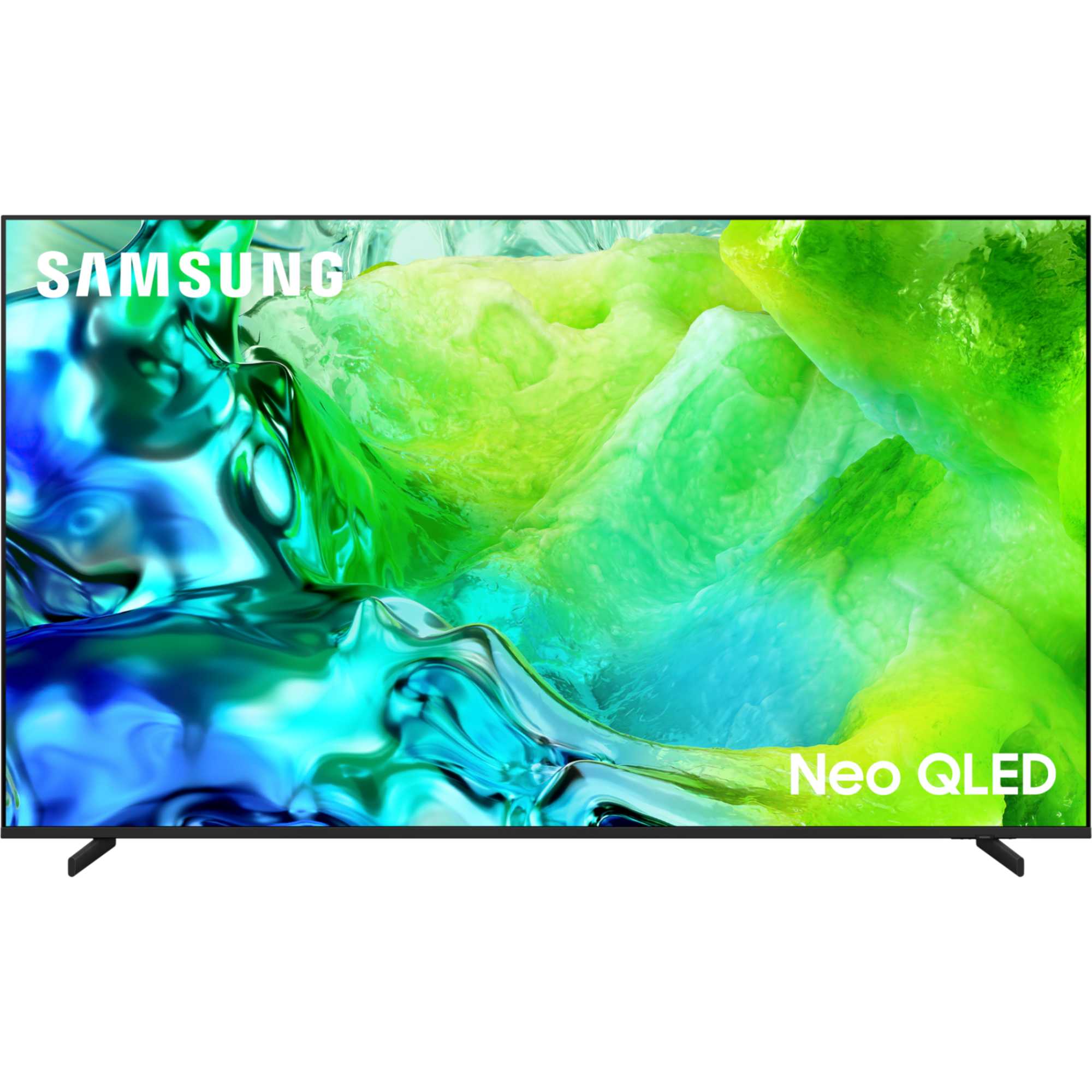
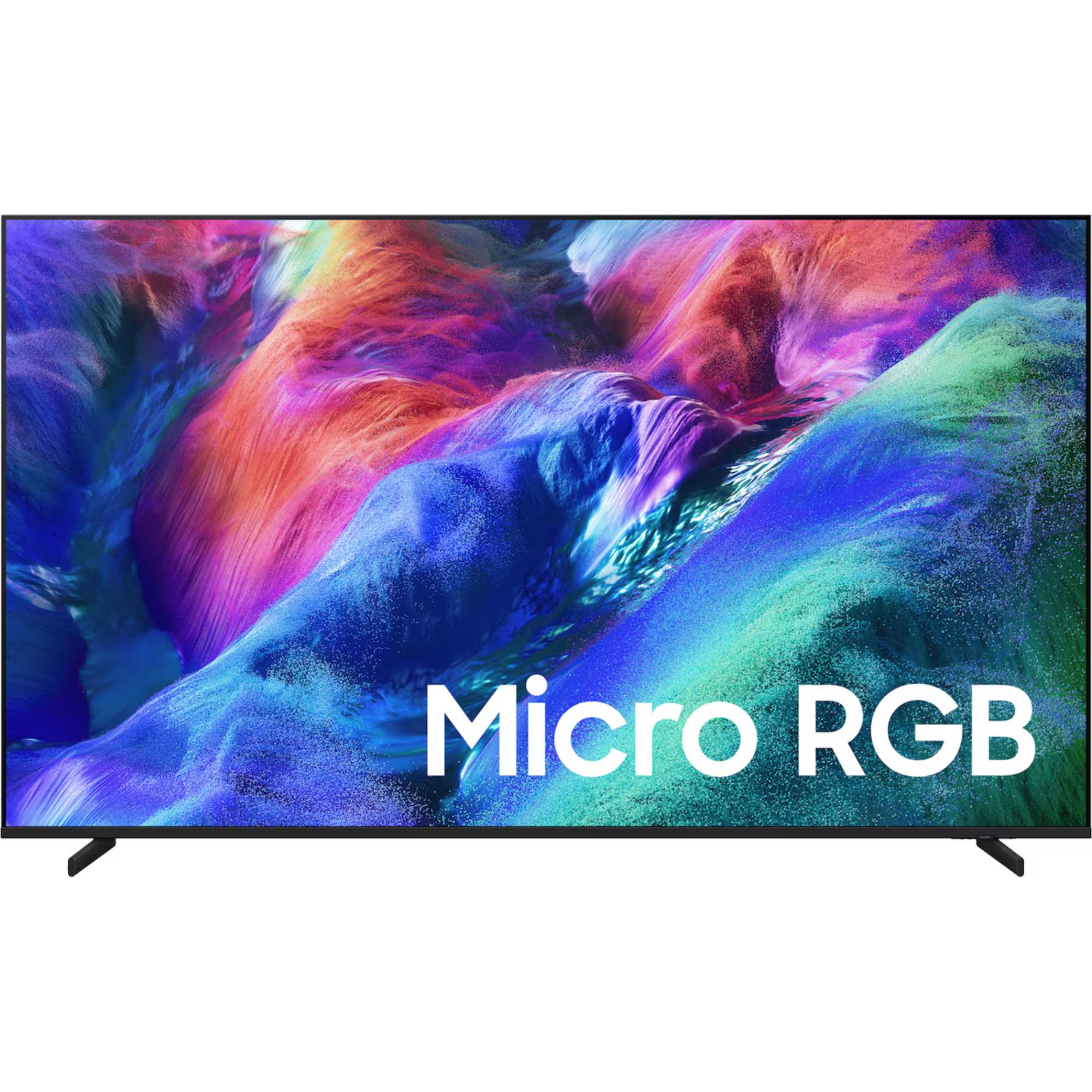
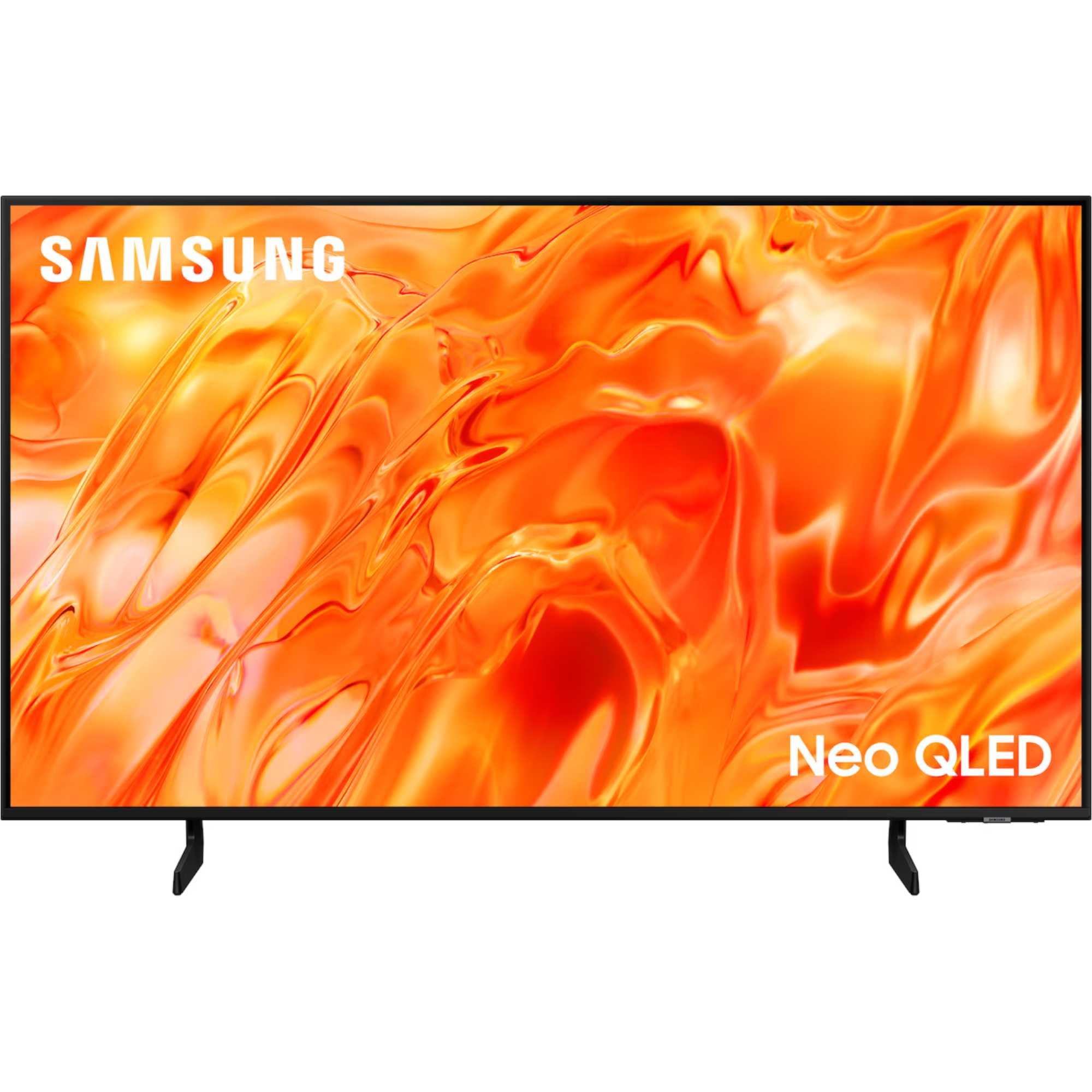
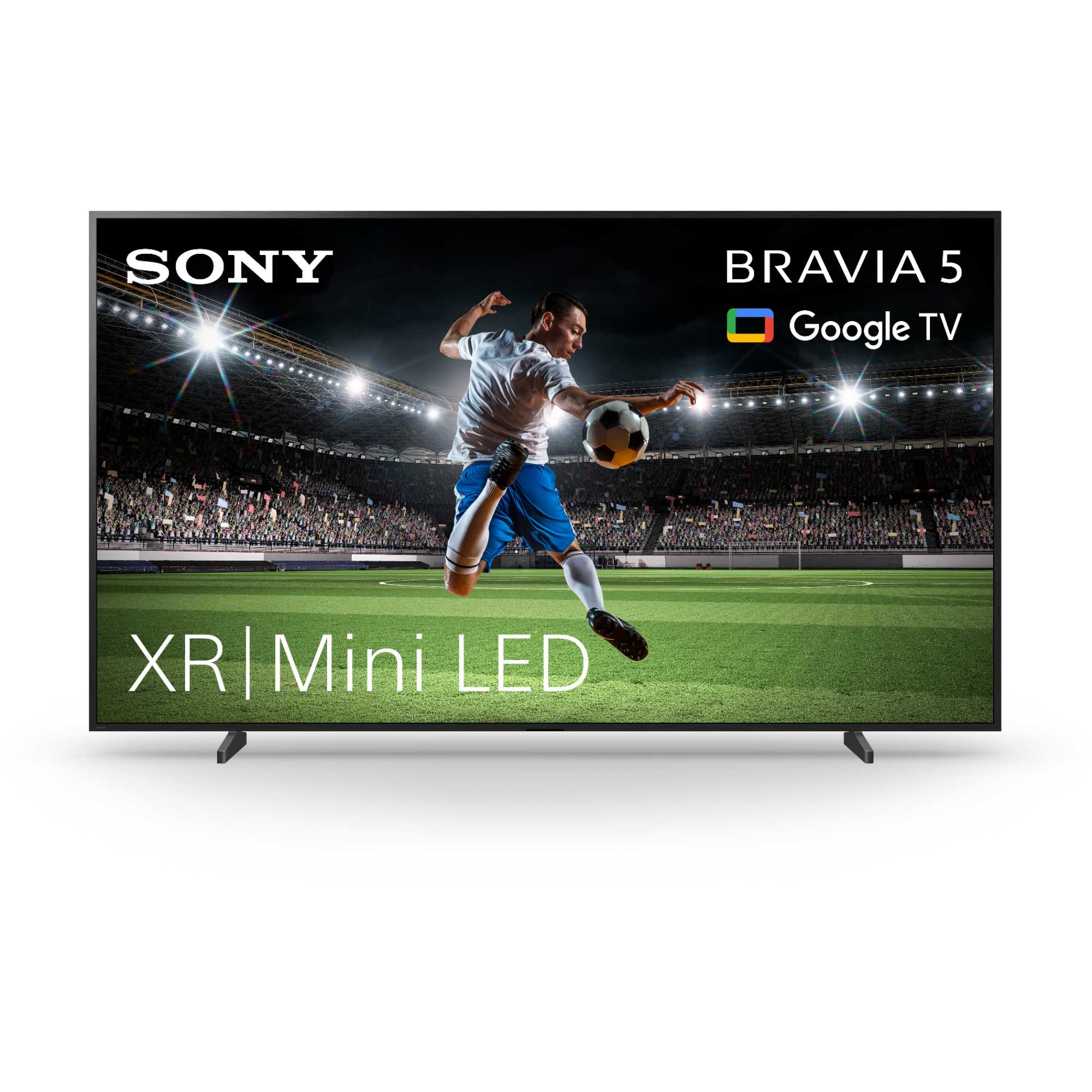
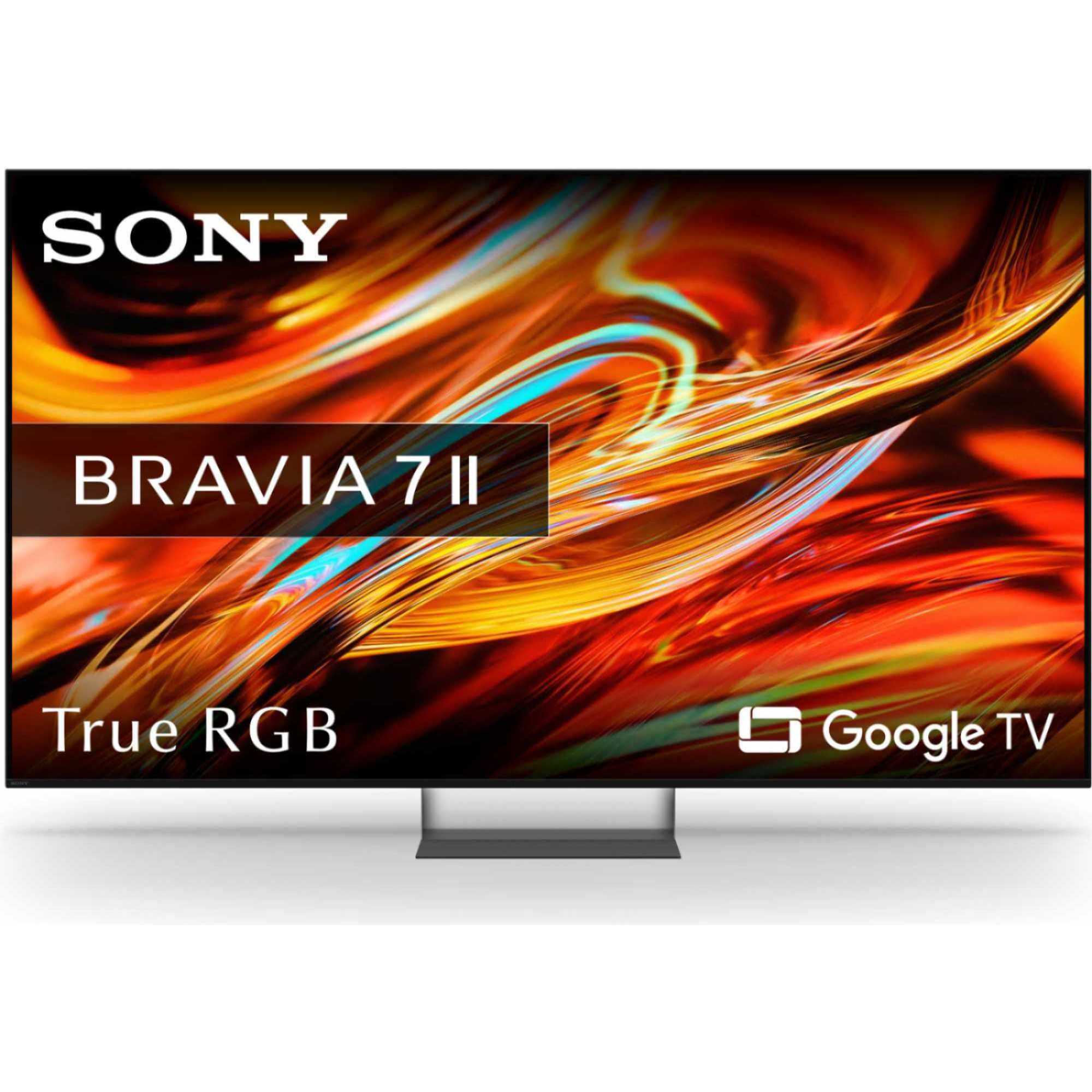
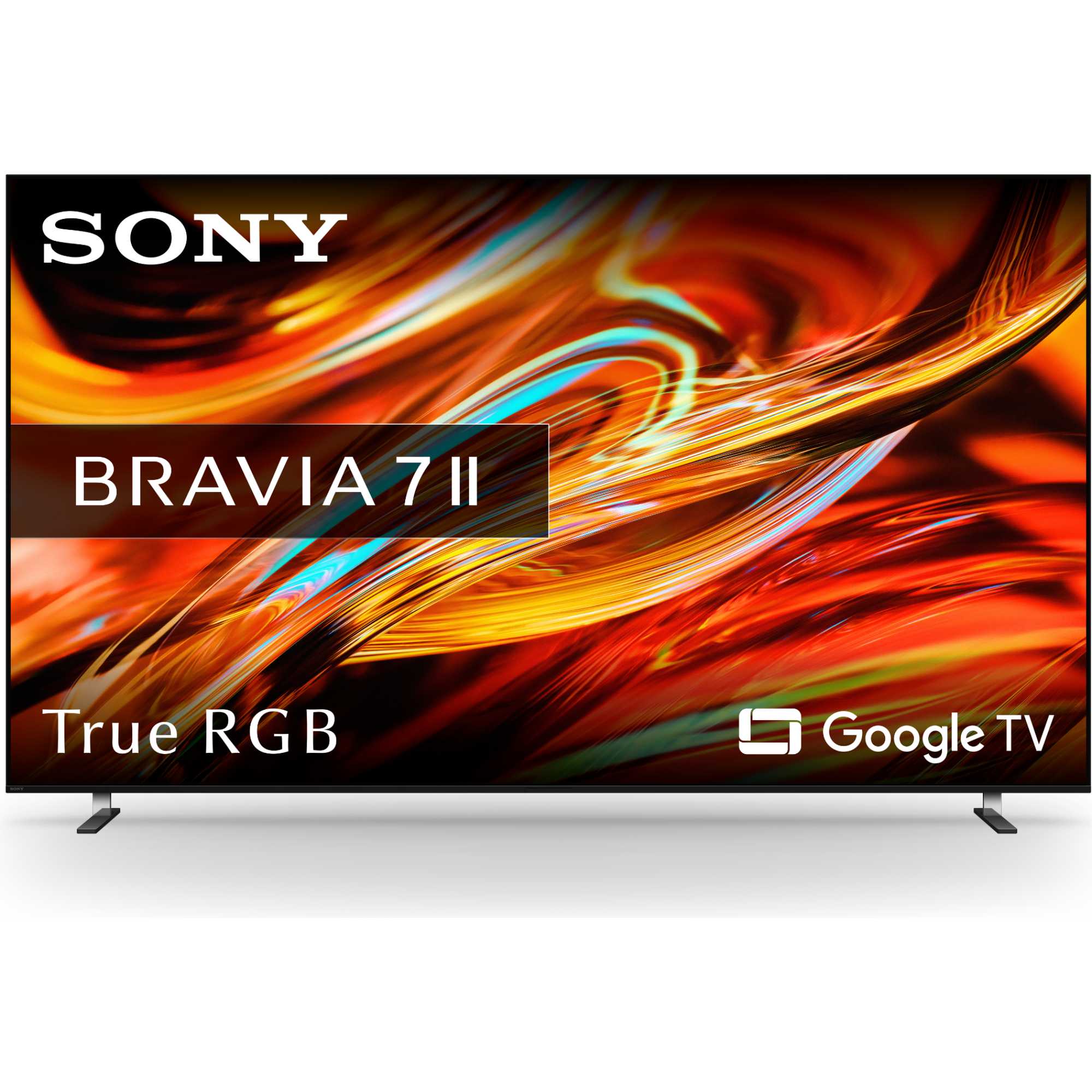
Samsung frames this comparison around the Samsung R85H 100" 4K Ultra HD Micro RGB Vision AI Smart TV - MRE100R85H at £11, with the cheaper A6QTUK 43-inch set and M2 Pro 4K projector broadening its range. Sony counters with the Sony XR75M2PB 98" 4K Ultra HD RGB LED HDR Smart TV - K98XR75M2PB at £6, backed by its own smaller living-room models. Both brands can cover a UK lounge, but the emphasis differs: Samsung pushes screen size and specification-per-pound, while Sony leans on a more defined premium picture identity.
The technology split is clearest in the panels and smart platforms. Samsung brings Neo QLED brightness, Micro RGB Vision AI on the 100-inch R85H, Tizen apps and strong console gaming tools, so it suits buyers comparing refresh rate, big-screen sport and simple catch-up TV. Sony focuses on BRAVIA XR processing, Mini LED/RGB LED positioning, Google TV and cinematic motion handling, which should appeal if processing, HDR tone mapping and app polish matter as much as raw inches. For gaming, check HDMI 2.1 support; for broadcasts, Freely, Freeview HD, Fire TV or Google TV can be more important than panel branding.
Samsung is strongest for bright-room viewing, premium gaming, smart-home control and buyers wanting a showpiece screen. Sony is better for film lovers, PlayStation households and viewers who value natural colour, upscaling and motion more than headline size. On running costs, a smaller 43-55 inch model will usually cost less to power than a 98-115 inch flagship, so there is little energy payback in oversizing unless the cinema effect replaces a projector or second screen. Value depends on room size, viewing distance and whether you watch sport, films or box sets most.
Bottom line: choose Samsung if you want brighter rooms, advanced AI processing and Samsung's gaming ecosystem; opt for Sony if you prefer cinematic accuracy, Google TV and refined motion.